The main difference between a custodial wallet and a non-custodial wallet comes down to who controls the private keys. With a custodial wallet, a third party holds your keys for you. With a non-custodial wallet, you hold them yourself. That single distinction affects your security, your access, and your actual ownership of the crypto in your wallet.
What is a crypto wallet?
A crypto wallet is a tool that lets you send, receive, and manage cryptocurrencies on the blockchain. Despite the name, it does not store your coins. What it actually stores is the private key that proves you own specific assets on the blockchain. Without that key, there is no way to move or access the funds.
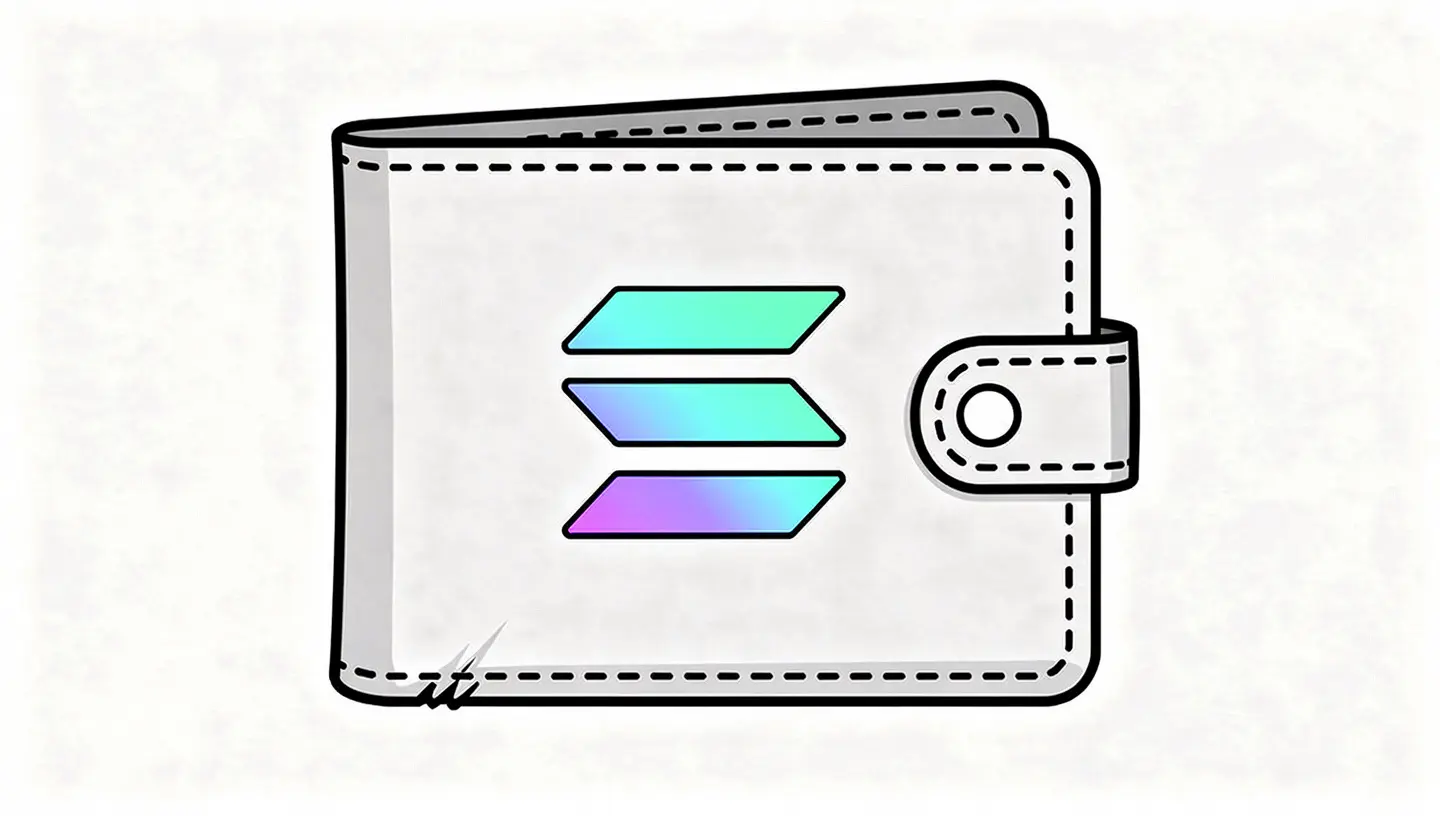
Every crypto wallet has two components: a public key and a private key. The public key generates your wallet address, which you share with others to receive crypto. Think of it like a bank account number. The private key is what authorizes you to send funds. Think of it like a PIN code that only you should ever know. Whoever holds the private key controls the funds, full stop.
All wallets fall into one of two categories: custodial or non-custodial. Every other distinction, whether a wallet is a hot wallet or a cold wallet, a hardware device or a mobile app, sits within that broader framework. Understanding what Bitcoin is helps clarify why key ownership matters so much. A full explanation is in the guide to what is Bitcoin.
What is a custodial wallet?
A custodial wallet is a wallet where a third party holds and manages the private keys on your behalf. That third party is usually a crypto exchange such as Coinbase, Kraken, Binance, or Gemini. When you create an account on one of these platforms and buy crypto, the coins show up in your account balance, but the exchange controls the keys that prove ownership of those coins on the blockchain.
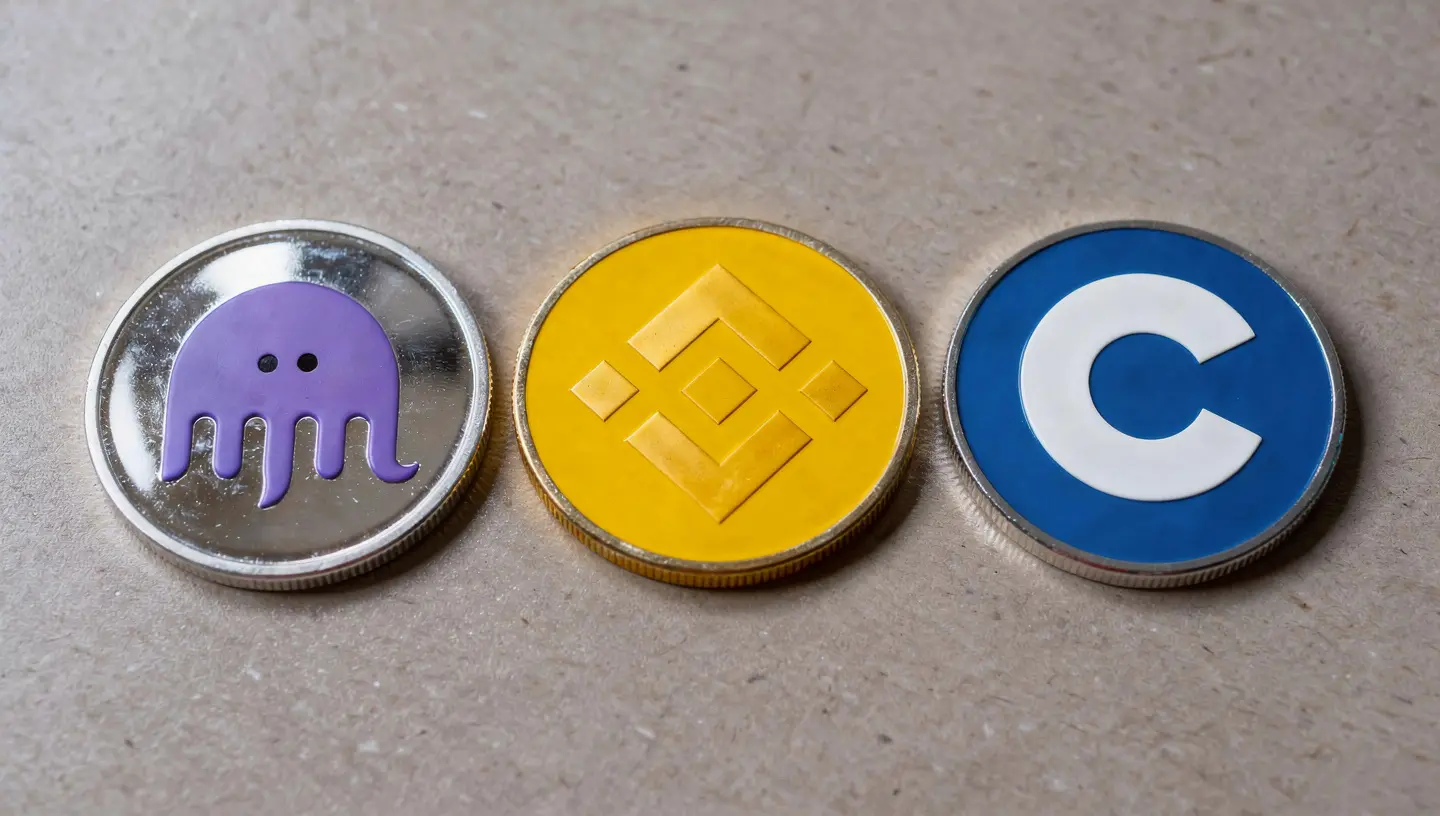
The experience is designed to feel like online banking. You have a username, a password, two-factor authentication, and customer support. If you forget your password, the exchange can help you reset it. You never have to think about seed phrases or private key management. The custodian handles all of that for you in exchange for your trust.
How does a custodial wallet work?
When you create an account with a custodial service, the platform generates and stores the private keys associated with your wallet address. You are not given a seed phrase. Instead, you log in through the platform’s own authentication system. When you send crypto, you initiate the transaction through the platform’s interface, and the custodian signs the transaction using the private key it holds on your behalf. The transaction then goes to the blockchain for confirmation.
This means you are trusting the custodian to execute your transactions correctly, keep your keys secure, and remain solvent. Internally, large exchanges split holdings between hot wallets for liquidity and cold storage for the bulk of customer funds, using hardware and procedures designed to limit exposure to theft. Whether that protection is sufficient depends entirely on the exchange.
Advantages of custodial wallets
- Easy to use: no seed phrase to write down, no key management, no technical setup required.
- Account recovery: if you forget your password, customer support can restore access with identity verification.
- Built-in features: most platforms offer trading, staking, and other financial services directly in the same account.
- Suitable for beginners: the interface is straightforward and familiar, similar to a standard online banking app.
Disadvantages of custodial wallets
- You do not control the keys: the custodian controls your access. If the platform freezes your account, you cannot move your funds.
- Exchange risk: if the exchange is hacked, goes bankrupt, or is shut down by regulators, your funds may be inaccessible or lost entirely. This happened to FTX customers in 2022, and to Mt. Gox users years before that.
- KYC requirements: custodial services require identity verification, which reduces privacy.
- Censorship exposure: a centralized company can be ordered by governments to freeze or seize accounts.
What is a non-custodial wallet?
A non-custodial wallet, also called a self-custody wallet, is a wallet where you alone hold and control the private keys. No exchange, no company, and no third party has access to your funds. You are the only one who can authorize transactions. This is the model that aligns with how Bitcoin and most cryptocurrencies were designed to work: peer-to-peer, without intermediaries.

Non-custodial wallets come in several forms. Software wallets run as mobile apps or browser extensions and keep keys on your device. MetaMask is a widely used example, primarily for Ethereum and other EVM-compatible networks. Hardware wallets are physical devices that store keys offline, completely isolated from the internet. Ledger and Trezor are the most established hardware wallet brands. There are also paper wallets, which are simply printed records of a key pair, though these are rarely used today. A fuller breakdown of the cold wallet category is available in the guide to what is a cold wallet.
How does a non-custodial wallet work?
When you create a non-custodial wallet, the software generates a private key and a corresponding public key. You are shown a seed phrase, also called a recovery phrase, a list of 12 or 24 random words in a specific order. This seed phrase is the master backup for your wallet. Anyone who has it can restore access to your funds on any compatible device. Anyone who does not have it cannot access your funds under any circumstances.
You never log in through a third party. Transactions are signed directly by the wallet using your private key, then broadcast to the blockchain. No central authority approves or rejects the transaction. This makes non-custodial wallets an important part of how decentralized finance and blockchain applications operate. How crypto transactions work at the protocol level is explained in the guide to how crypto works.
Advantages of non-custodial wallets
- You control the keys: no third party can freeze, seize, or restrict access to your funds.
- No counterparty risk: your assets are not affected if an exchange is hacked or goes bankrupt.
- Privacy: most non-custodial wallets do not require KYC or identity verification to set up.
- Full access to DeFi and dApps: interacting with decentralized exchanges and blockchain applications requires a non-custodial wallet.
- Censorship resistant: no company or government can block your transactions at the wallet level.
Disadvantages of non-custodial wallets
- You are responsible for security: if you lose the seed phrase and the device, the funds are gone permanently with no recovery option.
- No password reset: there is no customer support to call if you lose access.
- Steeper learning curve: setting up a hardware wallet and managing a seed phrase requires more effort than creating an exchange account.
- User error risk: sending crypto to the wrong address, or using an incompatible network, can result in permanent loss. Transactions on the blockchain cannot be reversed.
Custodial vs non-custodial wallet: key differences
The table below shows the core differences side by side.
| Feature | Custodial wallet | Non-custodial wallet |
|---|---|---|
| Who holds private keys | Third party (exchange) | You |
| Seed phrase | Not given to user | Generated at setup, user’s responsibility |
| Account recovery | Password reset via customer support | Seed phrase only – no other option |
| Exchange/insolvency risk | Yes | No |
| KYC required | Yes | Usually no |
| Access to DeFi and dApps | Limited | Full |
| Ease of use for beginners | High | Moderate to low |
| Examples | Coinbase, Kraken, Binance, Gemini | MetaMask, Ledger, Trezor, Trust Wallet |
The phrase “not your keys, not your coins” captures the non-custodial argument in six words. If someone else holds your private keys, your ownership of the crypto is conditional on that party remaining operational, honest, and accessible. Historical exchange failures have demonstrated that this conditional ownership carries real financial risk.
Which wallet is right for you?
There is no single correct answer. The right choice depends on how you use crypto, how much you hold, and how comfortable you are managing your own security. Many people end up using both types for different purposes, which is a reasonable approach.
When to use a custodial wallet
A custodial wallet makes sense if you are new to crypto and want a straightforward way to buy and hold assets without dealing with seed phrases or key management. It also works well for active traders who move funds frequently on an exchange, since keeping crypto on the platform avoids repeated withdrawal steps.
If the convenience of password recovery and customer support outweighs the counterparty risk for your situation, a reputable regulated exchange is a practical starting point. Just make sure the exchange is regulated, has a strong security track record, and offers some form of insurance or proof of reserves. The basics of what crypto is and how different coins compare are in the guide to what is crypto.
When to use a non-custodial wallet
A non-custodial wallet is the right choice when you want full control over your assets and are prepared to take responsibility for securing your seed phrase. It is essential for anyone who wants to interact with DeFi protocols, decentralized exchanges, or other blockchain applications, because these require a wallet that can sign transactions directly. It is also the better option for long-term holders who do not need to trade frequently.
Keeping substantial amounts of crypto on an exchange for extended periods exposes those funds to platform risk that self-custody eliminates entirely. The differences between Bitcoin and other cryptocurrencies in this context are covered in the guide to Bitcoin vs crypto.
Can you use both?
Yes, and many experienced crypto users do. A common approach is to keep a small working balance on an exchange for trading and easy access, while holding the majority of long-term assets in a hardware wallet with keys stored completely offline. This gives you the convenience of a custodial account for day-to-day activity and the security of self-custody for larger holdings.
The hot wallet and cold wallet distinction maps closely onto this split. Hot wallets, whether custodial exchange accounts or connected software wallets, are suited for frequent use. Cold wallets, meaning offline hardware wallets, are suited for storage. The guide to hot wallets covers the connected wallet side of this in more detail.
If you hold Bitcoin specifically, understanding how the supply and issuance of BTC works gives useful context for why long-term storage matters. When new Bitcoin is created through mining, the reward miners receive is cut in half approximately every four years.
This programmed reduction means the pace of new supply entering circulation slows over time, which is one reason many holders treat Bitcoin as a long-term store of value worth protecting carefully in self-custody. The supply mechanics behind this, including the full history of past halvings and what comes next, are covered in the guide to Bitcoin halving.
The actual amount miners earn per block today reflects the most recent halving and directly determines how many new BTC enter circulation each day. This issuance rate matters to anyone thinking about Bitcoin supply over the long term, whether as a holder deciding where to store funds or as someone trying to understand the asset they are securing.
As block rewards shrink with each halving, transaction fees gradually take on a larger role in the total income miners collect per block. If you want to understand how new BTC enters circulation and what that means for the total supply cap of 21 million coins, the guide to Bitcoin block reward covers that in full.
Frequently asked questions
Is Coinbase a custodial or non-custodial wallet?
The standard Coinbase exchange account is a custodial wallet. Coinbase holds the private keys. The company also offers a separate product called Coinbase Wallet, which is a non-custodial software wallet where users hold their own keys. The two are different products with different security models, even though they share a brand name.
What happens if a custodial exchange goes bankrupt?
If a custodial exchange becomes insolvent, customers may lose access to their funds or receive only partial repayment through bankruptcy proceedings. This happened with FTX in 2022, where billions in customer funds were lost. Unlike bank deposits, crypto held on an exchange is generally not covered by government deposit insurance schemes. This is one of the main reasons experienced holders keep significant amounts in self-custody.
Can I lose crypto with a non-custodial wallet?
Yes, in two main ways. First, if you lose your seed phrase and cannot access the wallet device, the funds are permanently inaccessible. There is no password reset and no customer support that can help. Second, if someone else obtains your seed phrase, they can drain your wallet from any device. Writing down the seed phrase and storing it securely offline, in multiple locations if possible, is the most important step when setting up a non-custodial wallet.
What is the difference between a hot wallet and a cold wallet?
A hot wallet is any wallet connected to the internet, whether that is an exchange account, a mobile app, or a browser extension like MetaMask. A cold wallet is one that keeps the private keys offline, such as a hardware wallet like Ledger or Trezor. Both can be non-custodial. The difference is about internet exposure, not ownership structure. Cold wallets are generally considered more secure for holding large amounts long-term because keys that are never online cannot be stolen through network attacks.
What does “not your keys, not your coins” mean?
It means that if you do not hold the private keys to a wallet, you do not actually own the crypto in the way that blockchain ownership is defined. You have a claim against the custodian holding those keys, similar to how a bank account balance is a claim against the bank rather than physical cash in your possession. The phrase is shorthand for the argument that true ownership of crypto requires self-custody of the keys, because any third party holding them can restrict, lose, or misuse them.
Sources
- Custodial vs. non-custodial wallets, Kraken Learn