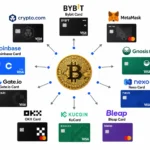
BTC stands for Bitcoin. It is the ticker symbol that identifies Bitcoin on every exchange, trading platform, and financial service in the world. When you see BTC on a price chart, in a news headline, or next to a wallet balance, it always refers to Bitcoin. Nothing else carries that ticker.
What does BTC stand for?
BTC is the ticker symbol and Bitcoin abbreviation used on every exchange, price tracker, and financial platform worldwide. It works the same way that USD represents the US dollar or EUR represents the euro. The BTC ticker symbol lets exchanges, wallets, and trading interfaces display Bitcoin quickly and without ambiguity.

The abbreviation was not assigned by any official body. Satoshi Nakamoto, the anonymous creator of Bitcoin, did not define a ticker symbol when the network launched in January 2009. The community settled on BTC organically, and the abbreviation spread from early forums and exchanges to every major platform in the market. By the time Bitcoin attracted mainstream attention, BTC was already the universal shorthand.
One technical note: BTC does not fully comply with the ISO 4217 standard that governs international currency codes. The letters BT in the abbreviation coincide with the country code for Bhutan, which creates a naming conflict under ISO rules. That issue led to the creation of a second ticker, XBT, which is covered further in this article.
What is BTC in crypto?
When someone asks what is BTC in crypto, the question is usually about two things at once: what the abbreviation means, and what Bitcoin actually is as an asset. BTC is the first and largest cryptocurrency by market capitalization. It is a decentralized digital currency that operates without a central bank, government, or any single controlling institution. Transactions move directly between users on a peer-to-peer network verified by thousands of independent computers.
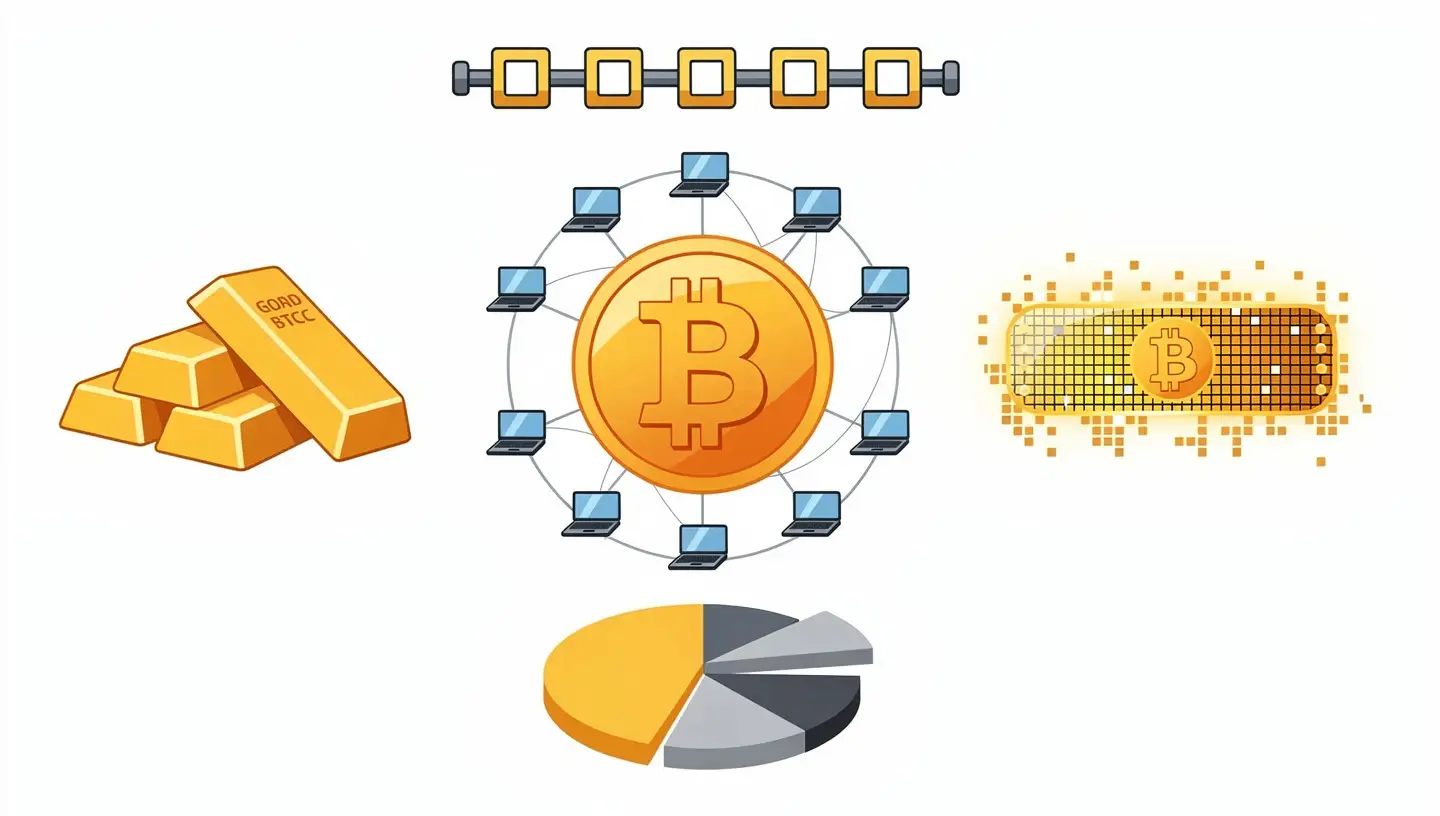
Bitcoin has a hard limit written into its protocol: no more than 21 million BTC will ever exist. That fixed supply, combined with rising demand over time, is why many investors treat Bitcoin as a store of value rather than a currency for everyday purchases. The comparison to gold is common in financial discussions: Bitcoin is often called digital gold because its scarcity is engineered into the code and cannot be changed by any central authority.
By market cap, Bitcoin consistently holds the top position in the crypto market. The percentage of total crypto market value held in Bitcoin is tracked as Bitcoin dominance, a figure that rises when investors move out of smaller coins and back into BTC. A full comparison of Bitcoin against other cryptocurrencies is in the guide to the difference between crypto and Bitcoin.
How does Bitcoin work?
Bitcoin runs on a decentralized network of computers spread across the world. No company, government, or institution owns or controls it. All of those computers together maintain a shared record of every transaction ever made on the network, called the blockchain.
Blockchain
The blockchain is a public distributed ledger. Every Bitcoin transaction ever made is recorded on it and copied across thousands of computers simultaneously.
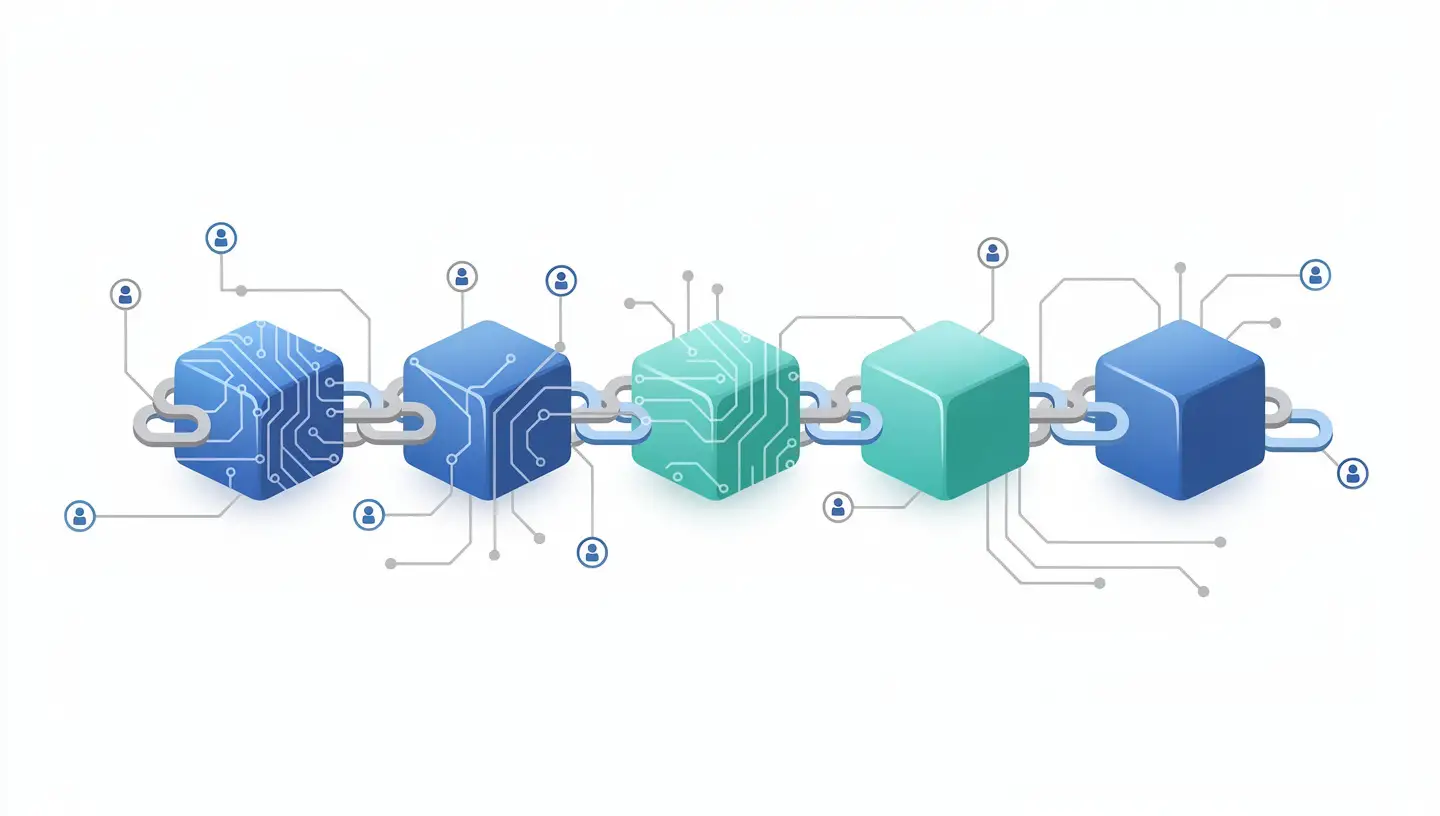
These computers are called nodes. Each new batch of transactions is grouped into a block and added to the chain of previous blocks. Once a block is confirmed, it cannot be altered without changing every block that follows it, which would require more computing power than the rest of the network combined. That structure is what makes the record tamper-resistant.
Mining and the block reward
New BTC enters circulation through a process called Bitcoin mining. Miners are computers that compete to solve a complex mathematical problem. The first to solve it earns the right to add the next block to the blockchain and receives a block reward, a fixed amount of newly created Bitcoin plus the transaction fees included in that block.
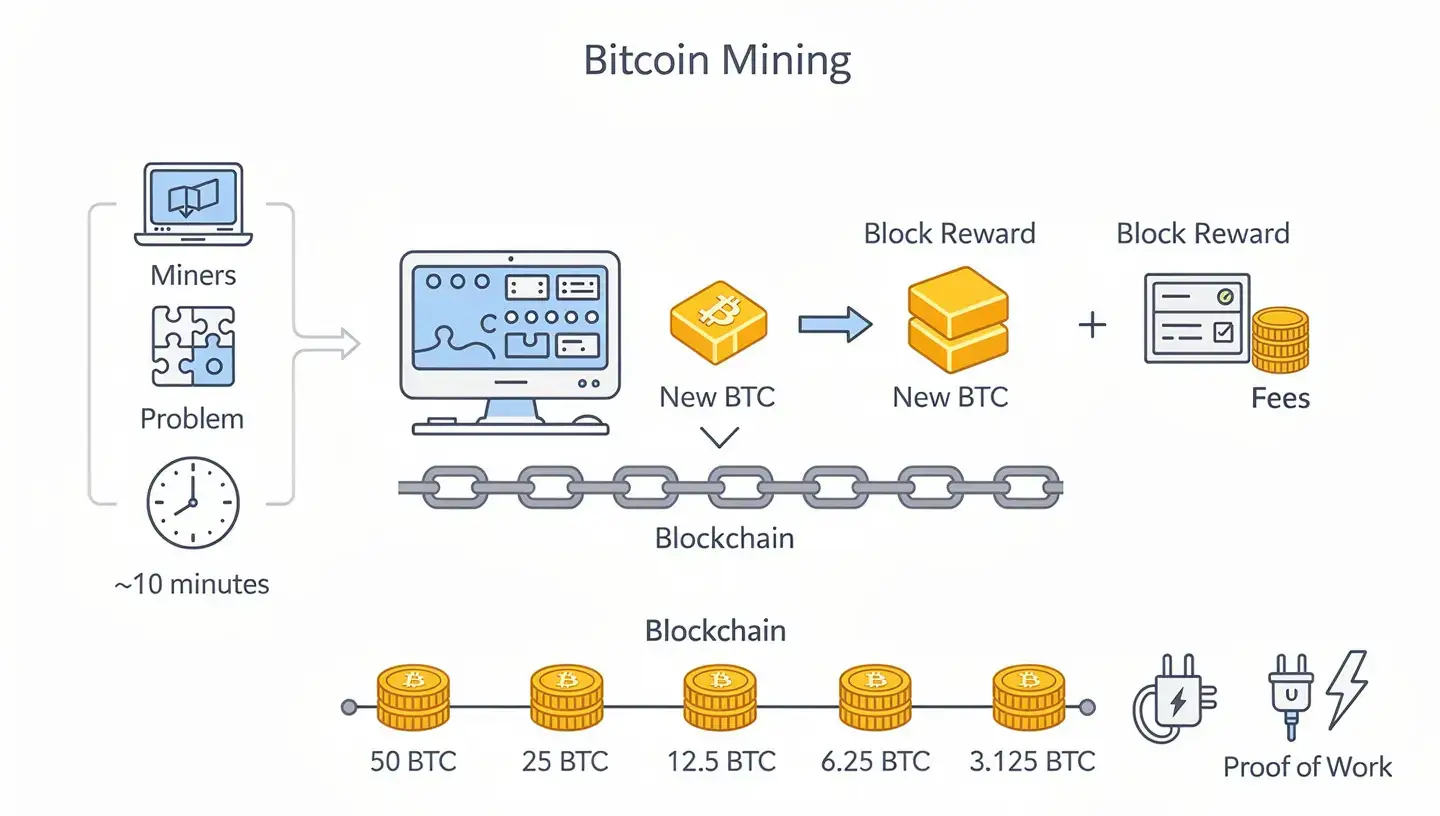
When Bitcoin launched in 2009, the block reward was 50 BTC. Every four years, that reward is cut in half in an event called the Bitcoin halving. The April 2024 halving reduced the reward to 3.125 BTC per block. Halvings slow the pace at which new BTC enters the market, reducing supply inflation over time. The full record of every halving is in the guide to Bitcoin halving dates and history.
Bitcoin uses proof of work as its consensus mechanism. This means miners must expend real computing power and electricity to participate in block production. The cost of that work is what makes cheating economically irrational: attacking the network would require more resources than an honest miner could earn. Miners find a solution roughly every ten minutes. The network adjusts the difficulty of the mathematical problem every 2,016 blocks, about two weeks, to keep that pace consistent regardless of how much total computing power is on the network at any given time. The current block reward and how it changes over time is covered in the guide to the current Bitcoin block reward.
Private keys and wallets
Every Bitcoin holder controls their BTC through a private key, a piece of cryptographic data that proves ownership of a specific address on the blockchain. The corresponding public key, which appears as a wallet address, is used to receive funds. The private key is used to authorize sending. Whoever holds the private key controls the funds. No third party can approve or block a transaction.
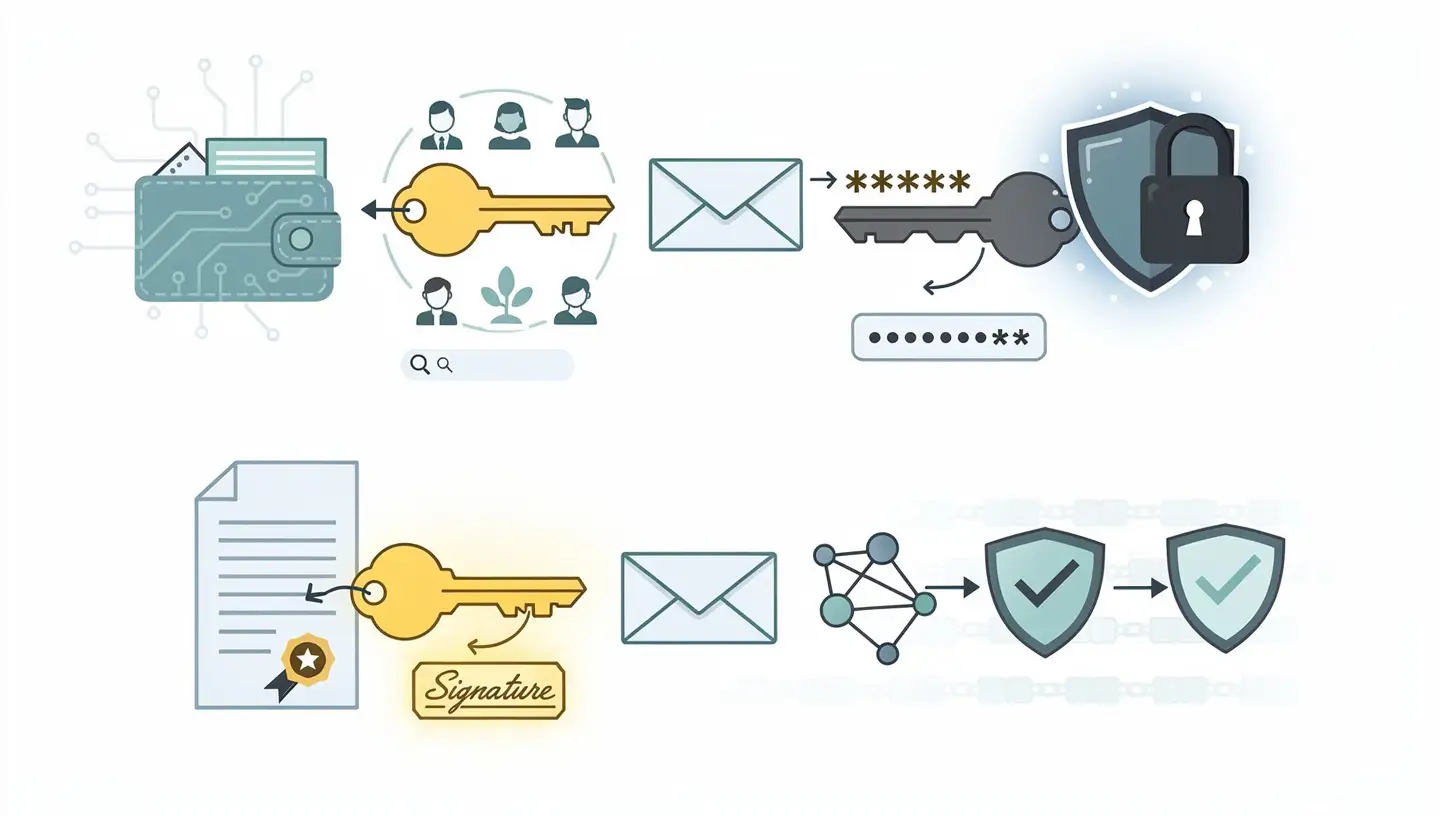
Private keys are stored in a crypto wallet. Wallets come in two broad types: software wallets that stay connected to the internet and hardware wallets that keep keys completely offline. Software wallets are more convenient for regular use but more exposed to potential online attacks. Hardware wallets are better suited for holding larger amounts long-term. The difference between these two approaches and when each makes sense is covered in the guide to hot wallets in crypto.
What is the BTC symbol and how is it written?
Bitcoin has two visual representations. The three-letter code BTC appears on exchanges and in all market data. The currency sign ₿ was designed in 2010 and is commonly used in headlines and on websites that display the Bitcoin price.
There is no universal rule for capitalization. Some publications write Bitcoin with a capital B when referring to the network or protocol and bitcoin in lowercase when referring to the currency unit. Both forms appear in reputable sources, and the distinction is not always consistently applied in practice.
Bitcoin is divisible to eight decimal places. The denominations are:
- 1 BTC = 100,000,000 satoshis
- 1 mBTC (millibitcoin) = 0.001 BTC
- 1 satoshi = 0.00000001 BTC
The satoshi is the smallest unit of Bitcoin, named after Satoshi Nakamoto. Because Bitcoin is divisible into these small fractions, you do not need to buy a whole coin to get started. Most exchanges let you purchase any amount, even the equivalent of a few dollars or euros, and you will receive the corresponding number of satoshis.
BTC vs XBT: why does Bitcoin have two ticker symbols?
Alongside BTC, you will occasionally encounter the ticker XBT. Both refer to the same Bitcoin.
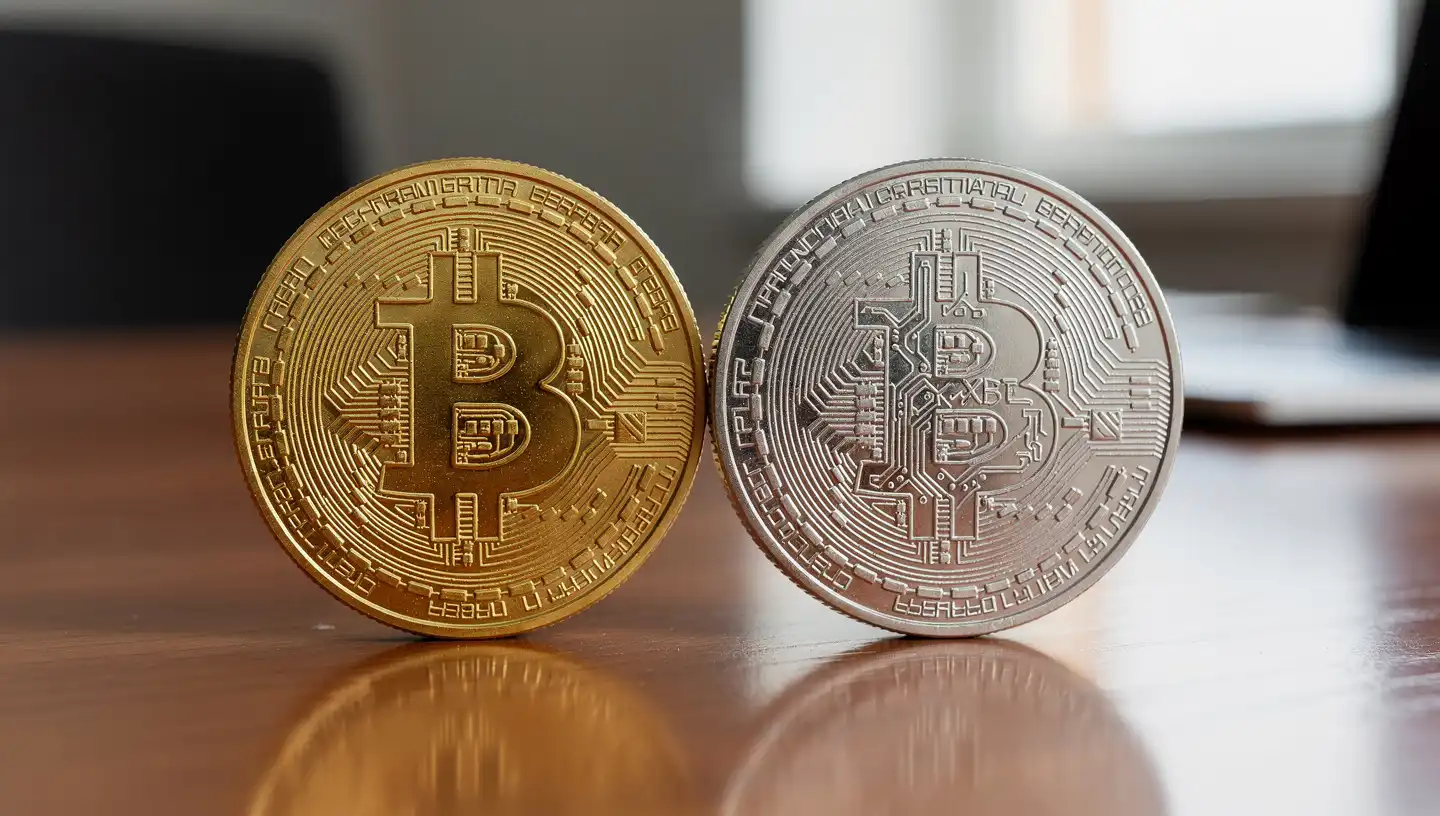
There is no difference in value, network, or the asset behind them. The two tickers exist because of a conflict between how the crypto community named Bitcoin and how international financial standards require currencies to be coded.
The ISO 4217 standard governs official currency codes. Under that standard, currencies that do not belong to any specific country, described as supra-national or borderless assets, must begin with the letter X. Gold, for example, uses XAU. Silver uses XAG. Bitcoin is decentralized and belongs to no country, so under ISO rules it should carry an X prefix. The abbreviation BTC could not serve as the ISO code because BT is already the country code for Bhutan. The ticker XBC was also unavailable, as it had been assigned to the European Unit of Account. The only remaining option under ISO rules was XBT.
In practice, BTC is the dominant abbreviation. Binance, Coinbase, and the large majority of retail-facing exchanges use BTC. XBT appears primarily in institutional and derivatives contexts: Bloomberg uses it, the CME uses it for Bitcoin futures contracts, and Kraken used XBT until April 2021, when it switched to BTC for most markets. Kraken still uses XBT for its futures API and some back-end systems. If you see XBT on a platform, it is Bitcoin, the same as BTC.
Where do you see BTC used?
Once you start following the crypto market, BTC appears in several distinct contexts.
On exchanges and in trading pairs
On a crypto exchange, Bitcoin trades in pairs such as BTC/USD, BTC/EUR, or BTC/USDT. Trading pairs show which asset you are buying and which currency you are paying with. In a BTC/USD pair, you are exchanging US dollars for Bitcoin or vice versa. The ticker updates in real time alongside the current price, trading volume, and price movement over different time periods.
In Bitcoin ETFs
Since January 2024, spot Bitcoin ETFs have been available on US exchanges. Institutions including BlackRock and Fidelity now hold BTC directly on behalf of investors through these products. By early 2025, spot Bitcoin ETFs in the US collectively held over 1.2 million BTC. These funds use BTC as the reference ticker and track the spot price of Bitcoin. They allow investors to gain exposure to Bitcoin through standard brokerage accounts without holding the asset directly.
What is BTC used for?
Most people who are new to crypto expect Bitcoin to function primarily as digital cash for everyday spending. That was the original design described in the 2008 whitepaper. In practice, Bitcoin is used in a few different ways today.
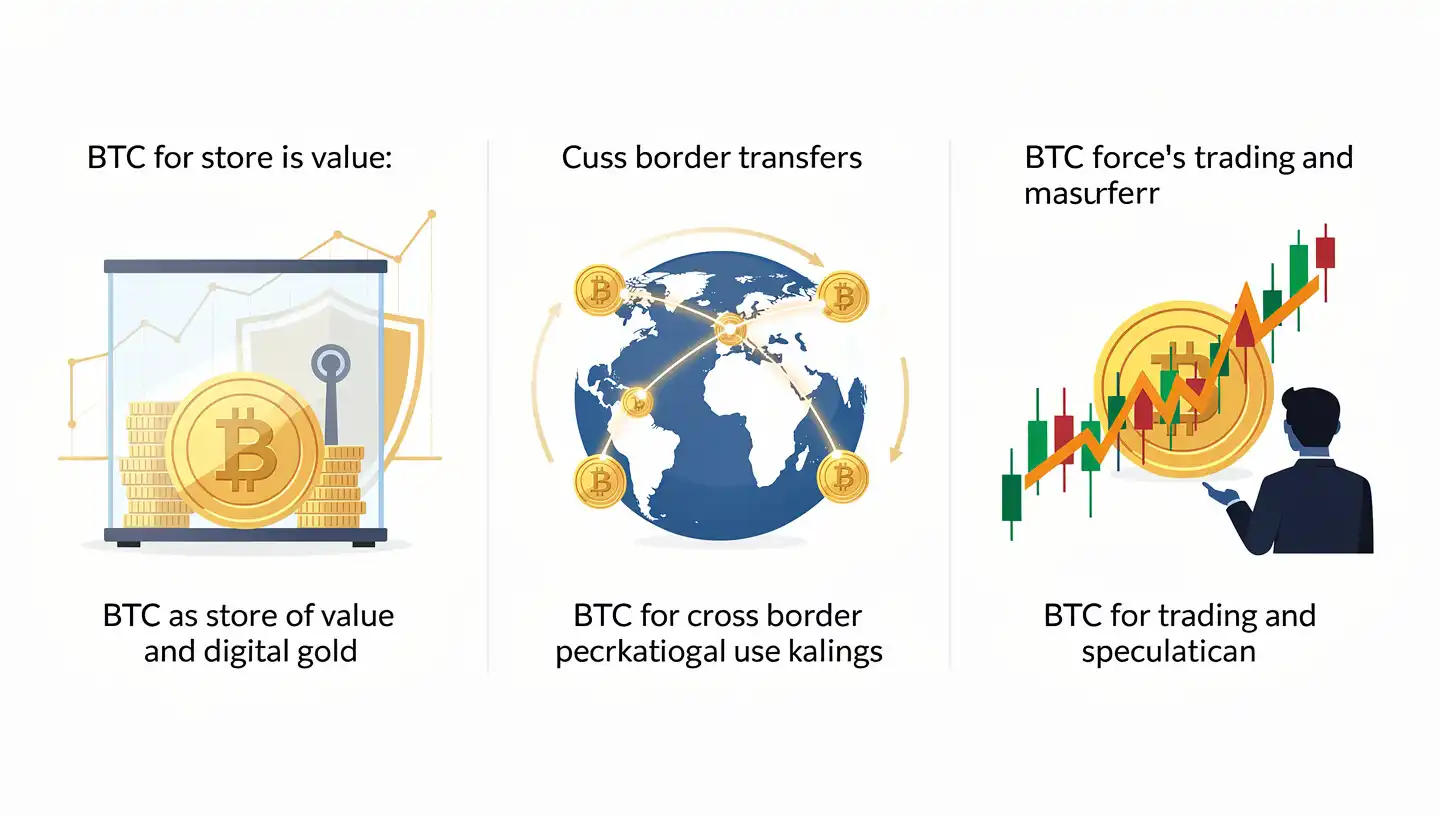
The most widespread use is as a store of value. Many investors hold BTC over the long term, treating it as a hedge against currency inflation and government monetary policy. The fixed 21 million coin supply, the lack of any central authority to issue more, and the network’s 15-year security track record underpin this use case. The digital gold comparison reflects this: Bitcoin is held for what it preserves rather than what it can buy today.
A second use is cross-border transfers. A Bitcoin transaction can be confirmed in roughly ten minutes, regardless of whether the sender and receiver are in the same city or on opposite sides of the world. No bank account, credit check, or financial institution needs to be involved. This makes it useful for international transfers, particularly where traditional banking infrastructure is slow or expensive.
A third use is short-term trading and speculation. Traders buy and sell BTC to take advantage of price movements. This is a high-risk activity. Bitcoin can gain or lose a significant percentage of its value within days or weeks.
How to buy BTC
The most straightforward way to buy BTC is through a registered crypto exchange such as Coinbase, Kraken, or Binance. After creating and verifying an account, you deposit funds and purchase Bitcoin in any amount, including small fractions measured in satoshis. You do not need to buy a whole coin.
When you buy BTC through an exchange, the exchange holds your private keys on your behalf. This is convenient for beginners because you do not need to manage keys or worry about storing them. The drawback is that you are relying on the exchange to stay solvent and secure. Several major exchanges have failed or frozen withdrawals in past years, leaving users unable to access their funds for months.
The distinction between this arrangement and holding your own keys, including what each approach means in practice for everyday users and long-term holders, is explained in the guide to custodial vs non-custodial wallets.
Many experienced users move their BTC off the exchange and into their own wallet once they understand how self-custody works. When you set up a self-custody wallet, you are given a seed phrase: a sequence of 12 to 24 words that acts as the only backup for your private keys. If the device is lost or damaged, the seed phrase lets you restore access on a new device. If you lose both the device and the seed phrase, the funds are permanently inaccessible. How to store a seed phrase safely is covered in the guide to crypto seed phrase storage.
For holding larger amounts of BTC long-term, many experienced holders use a hardware wallet that keeps private keys entirely offline. Even if the computer you use is compromised, the private keys on a hardware wallet never leave the device. Hardware wallets support Bitcoin and most major cryptocurrencies, but not all of them.
One example worth noting: MetaMask is a software wallet built for Ethereum and EVM-compatible networks, and it does not support Bitcoin natively. Users who hold both BTC and ETH need separate wallet solutions for each. What a cold wallet is and how it compares to software wallets is covered in the guide to cold wallets for crypto.
Frequently asked questions
Is BTC the same as Bitcoin?
Yes. BTC is the ticker symbol and Bitcoin is the full name. The relationship is the same as USD and the US dollar. When you see BTC on any exchange or financial platform, it always refers to Bitcoin.
What does BTC mean in text slang?
In casual internet communication outside of finance, BTC sometimes means “Because They Can.” In any financial, investing, or crypto context, BTC means Bitcoin and nothing else.
Why is Bitcoin called BTC and not BCH or BTN?
BTC is the abbreviation the Bitcoin community adopted naturally from the earliest days of the network, based on the first letters of the name. BCH is the ticker for Bitcoin Cash, a separate cryptocurrency created in 2017 when a group of developers forked the Bitcoin blockchain over a disagreement about block sizes. Bitcoin Cash and Bitcoin are different networks with different prices and characteristics. BTN is the ISO code for the Bhutanese ngultrum, which is one reason Bitcoin cannot use BTN as its ISO-compliant abbreviation.
What is 1 BTC worth?
The price of Bitcoin changes constantly based on supply and demand across global exchanges. There is no fixed value and no institution that guarantees one. You can check the current BTC/USD price on CoinMarketCap, CoinGecko, or directly on exchanges such as Coinbase or Kraken. The total market cap of Bitcoin, meaning the combined value of all BTC in circulation, is listed on those same platforms.
How many BTC are there?
The Bitcoin protocol caps the total supply at 21 million BTC. No more can ever be created. As of 2025, roughly 19.8 million BTC have been mined. The remaining approximately 1.2 million will enter circulation gradually through block rewards over the coming decades, with the last bitcoin expected to be mined around 2140. It is estimated that between 3 and 4 million BTC are permanently inaccessible due to lost private keys.
What is the smallest unit of BTC?
The smallest unit is one satoshi, which equals 0.00000001 BTC, or one hundred-millionth of a single Bitcoin. Exchanges typically set a minimum purchase amount in dollars or euros rather than in satoshis, but the underlying divisibility means you are always buying a fraction of a full coin when you start with a small amount.
Sources
- Bitcoin: A Peer-to-Peer Electronic Cash System, Satoshi Nakamoto, 2008
- ISO 4217 Currency Codes, International Organization for Standardization